
Sense
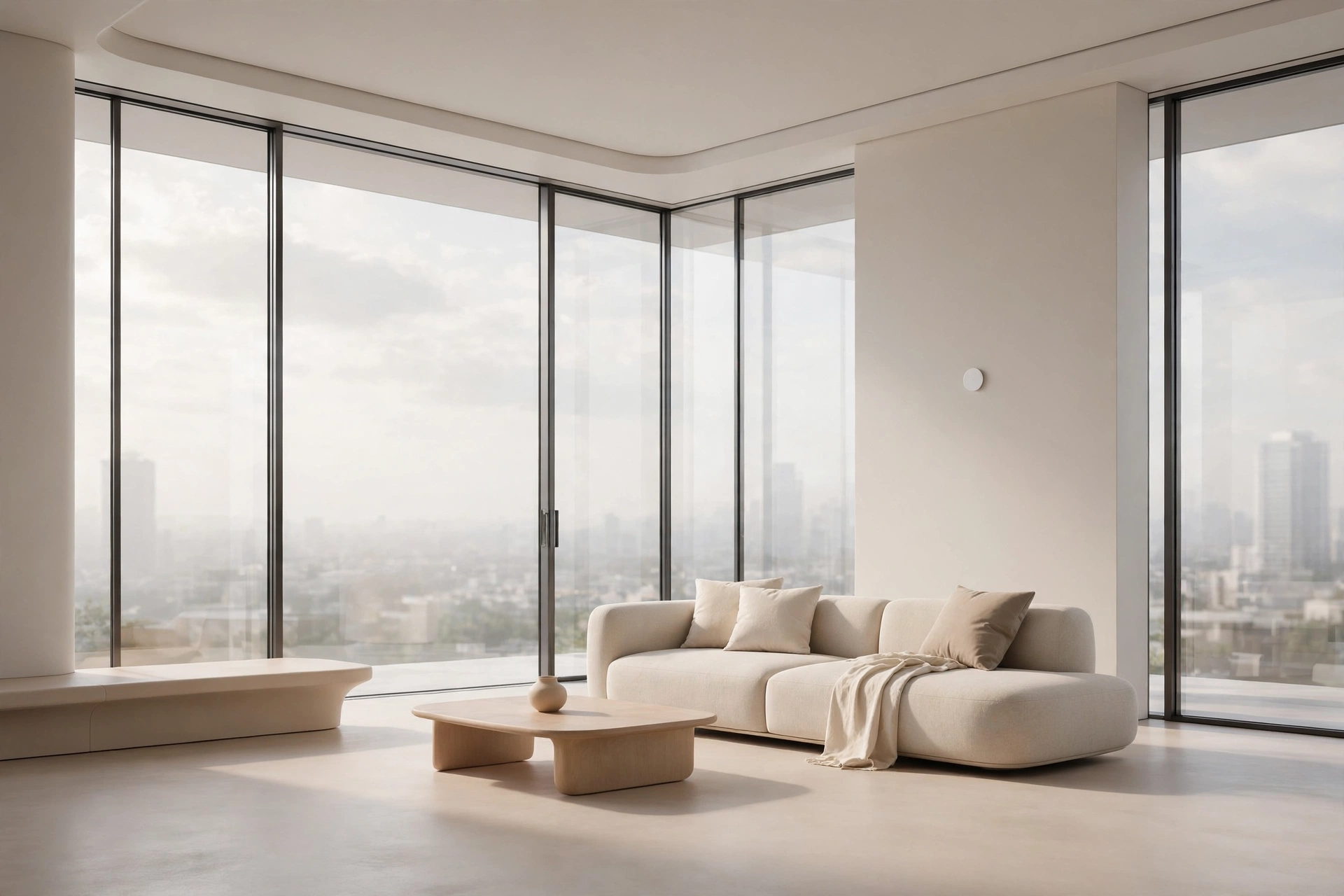
Cameras, Root, and Seed sensors are intended to capture visual activity, air, sound, vibration, and presence across the spaces that matter.
How it works
Kore is being designed as a full ultra-surveillance system: cameras, environmental sensors, and WiFi presence sensing working as one record, with a camera-free option for sensitive settings.
Pre-prototype · every visual is concept imagery
How it works
A proposed three-step system for understanding what changed, preserving the evidence, and putting the next decision in human hands.
Cameras, Root, and Seed sensors are intended to capture visual activity, air, sound, vibration, and presence across the spaces that matter.
Kore Intelligence is intended to compare camera footage with sensor patterns and issue instant alerts when activity needs review.
Every signal is intended to be recorded, timestamped, and stored as evidence, creating a complete record for review and response.
See the vision evolve
These concept films document the path toward Kore’s current in-development direction: cameras and sensors working together for full-spectrum awareness.
An earlier concept film. Kore’s current direction adds continuous visual monitoring, sensor corroboration, and a complete evidence record.
WiFi signal changes can add occupancy and posture context to camera footage, extending awareness when a direct view is limited.
The larger vision for visual evidence, environmental intelligence, and informed response.
Room by room
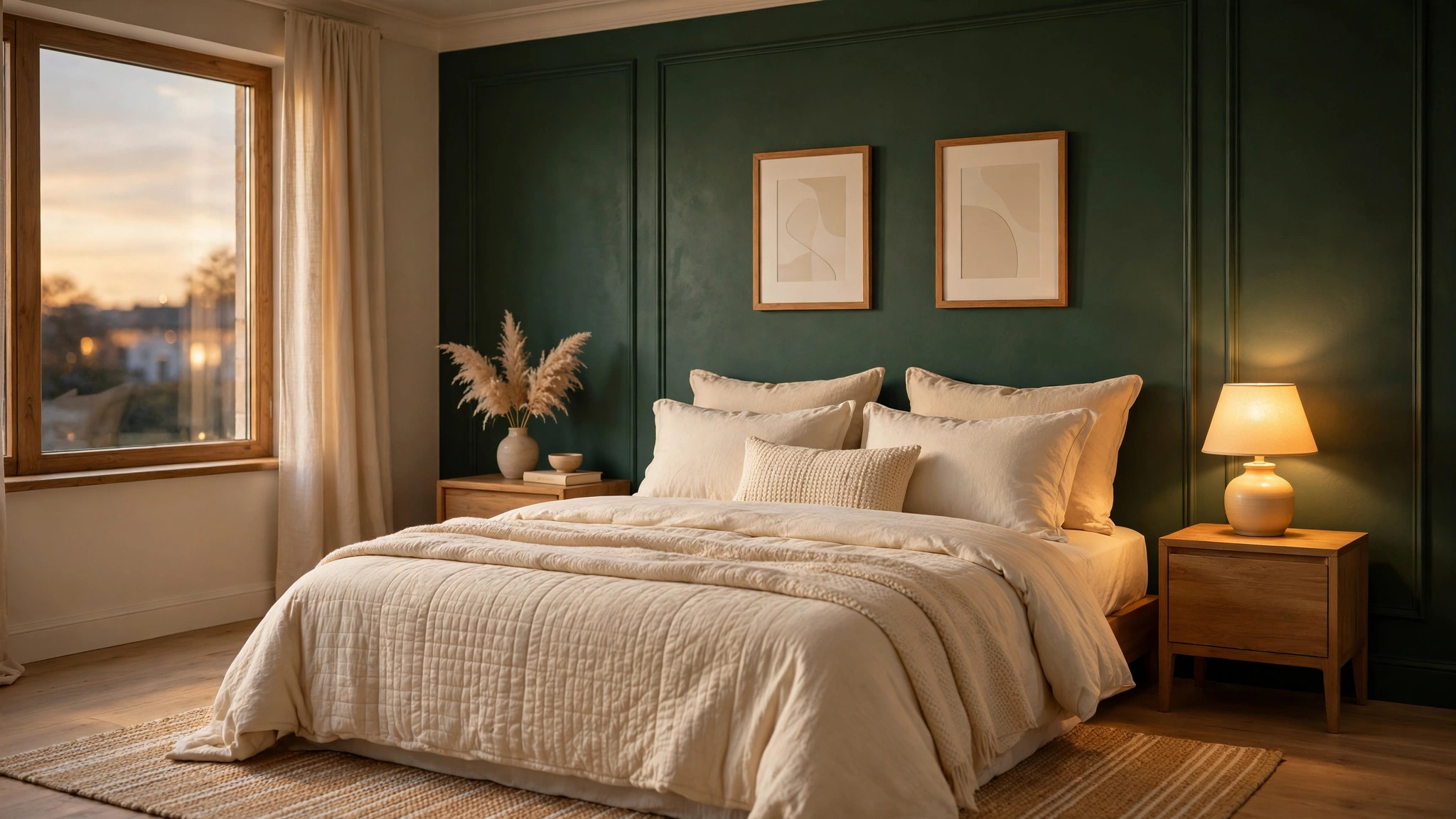
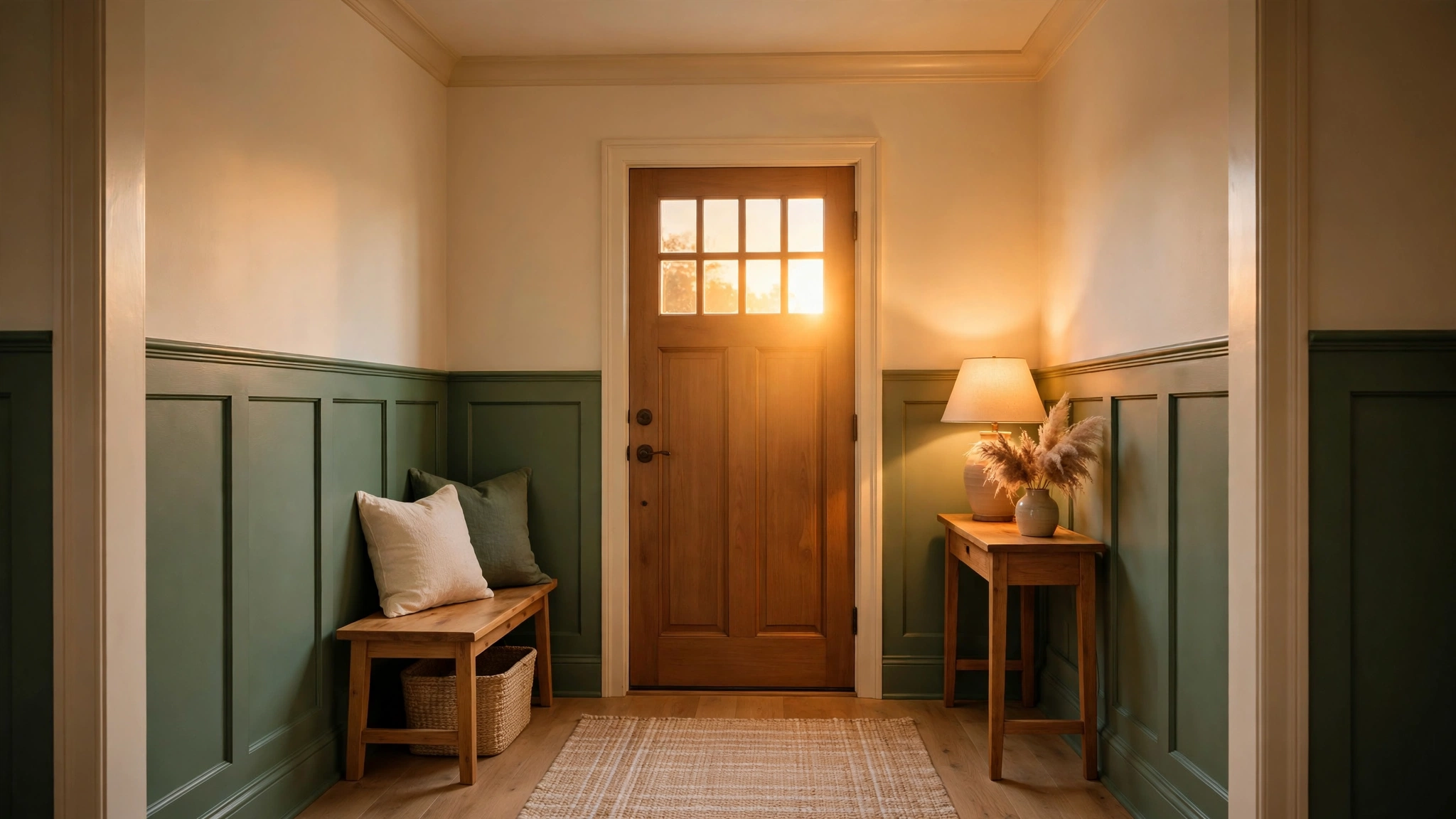
Kore is being designed so cameras and environmental sensors can work together around the risks, routines, and blind spots of each room.
 Concept imagery
Visual monitoring and environmental sensors are intended to document motion, air, sound, and room changes in one synchronized record.
 Concept imagery
Cameras, presence sensing, sound, and environmental context are intended to work together for visual identification and complete logging.
 Concept imagery
Pair visual coverage with sound, vibration, and air sensing to capture activity and preserve a timestamped account of change.
 Concept imagery
Visual identification, presence, sound, and vibration signals are intended to trigger instant alerts and a complete evidence trail.
A camera-free option for sensitive spaces
For schools, churches, senior living, and similar sensitive spaces, Kore is being designed with a camera-free configuration. With cameras disabled, the proposed system would still use WiFi-based presence and posture sensing, air, sound, and vibration monitoring to support the same instant alerts and documentation, without visual identification.
The flagship Kore system includes cameras for ultra surveillance and complete visual documentation. The camera-free configuration would be selected at installation when the setting calls for a different privacy boundary.
WiFi signal changes are intended to provide occupancy, movement, and posture context without a camera feed.
Proposed sensors would continue to observe air conditions, temperature, humidity, and ambient light.
Acoustic and vibration changes would remain available as corroborating signals.
Detected events would still be timestamped, documented, and surfaced for human review, minus visual identification.
Act III · Kore Intelligence
Kore Intelligence is intended to connect visual monitoring with environmental measurements, preserve the full record, and make every alert easier to verify.
Future capability · built through evidence
Interactive 3D concept · Root + Seeds
A change was observed in the room’s air pattern. Confidence: moderate. Review the underlying measurements before acting.
Cameras and sensors read the room continuously.
Rhythms and baselines are learned per person and per space.
Change is flagged against the baseline, with uncertainty preserved.
Devices mesh with each other and with you.
Alerts and countermeasures fire when seconds matter.
The record becomes understanding you can act on.
Act IV · Seed Presence
Seed Presence is being explored as a combined visual and signal intelligence layer. Cameras establish visual identity and activity while WiFi imaging, sound, vibration, and environmental sensors add context beyond a single frame.
Roadmap research · not a current V0.1 capability

Cameras + WiFi imaging + sensor fusion
The proposed system would pair authorized camera streams with WiFi Channel State Information and environmental sensors. Visual identification establishes who is in view, while signal changes add occupancy, posture, and movement context for a more complete record.
Match visible activity with occupancy and room conditions so each event has a clear, reviewable context.
What Personal Intelligence might notice
Possibilities, not diagnoses. Only patterns you confirm ever enter your private record.
Moments, not just alerts
Concept scenes from the system vision: the air turning before you smell it, and the house learning the rhythm of a morning.
CO2, VOCs, and particulates shifting through the afternoon. Kore is intended to notice the drift and document it, not just sound an alarm at the limit.
Rhythms become baselines. When the kitchen stays dark at 6:40, that absence is the signal.
Act VI · The loop
Kore’s intended flywheel joins environmental intelligence with circular value: notice what exists, understand it, preserve what matters, and return material to use.

Interactive 3D · Concept
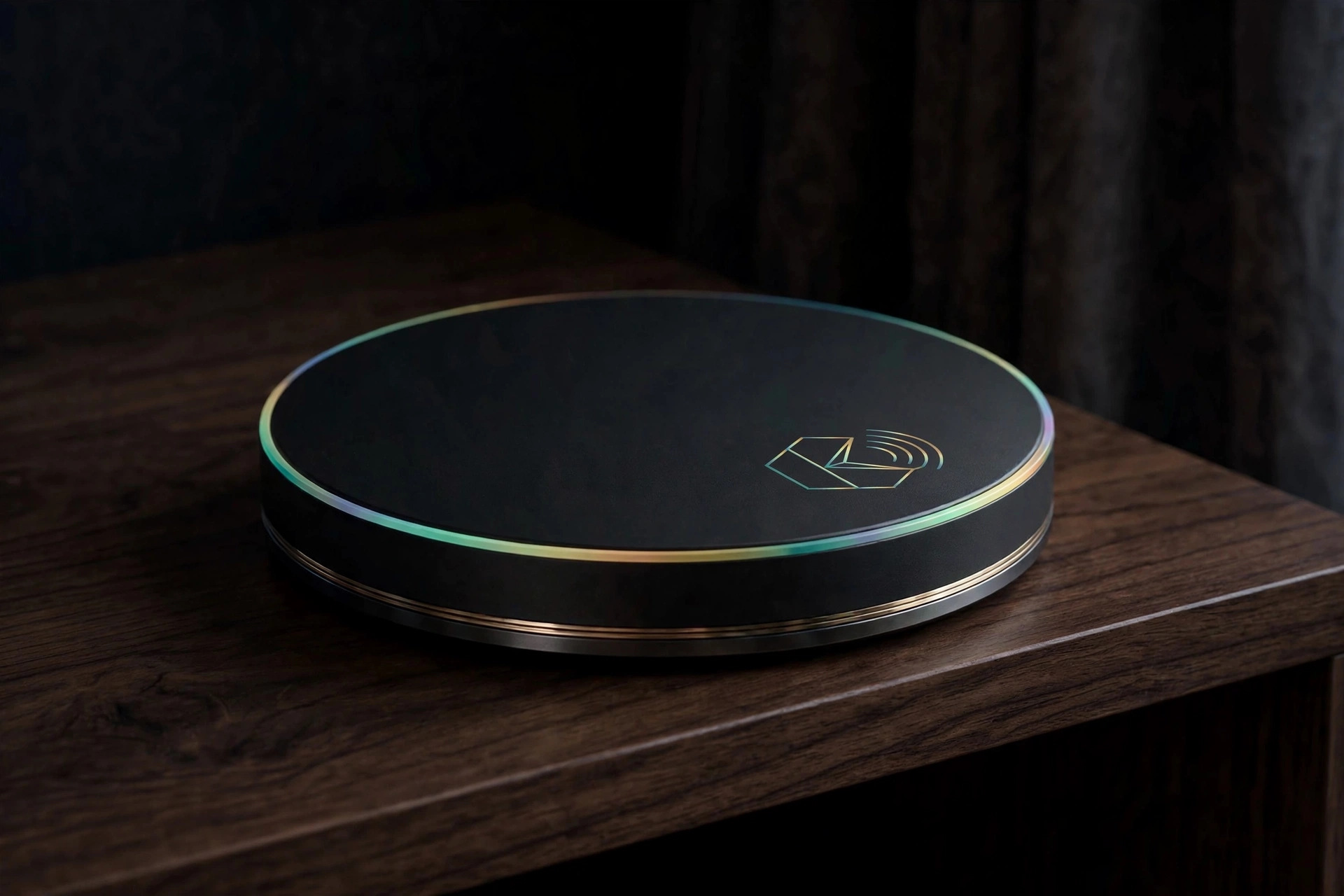
Drag to spin, pinch or scroll to zoom. Every product, explorable.